AI document processing for loan processing

Describe your exact workflow
Automate loan processing workflows end to end
Stop wasting time on manual processing
Accelerate loan approval timelines
Improve accuracy, eliminate errors
Scale business without stretching teams
Built for compliance and data security
Extract any information from any document, fast
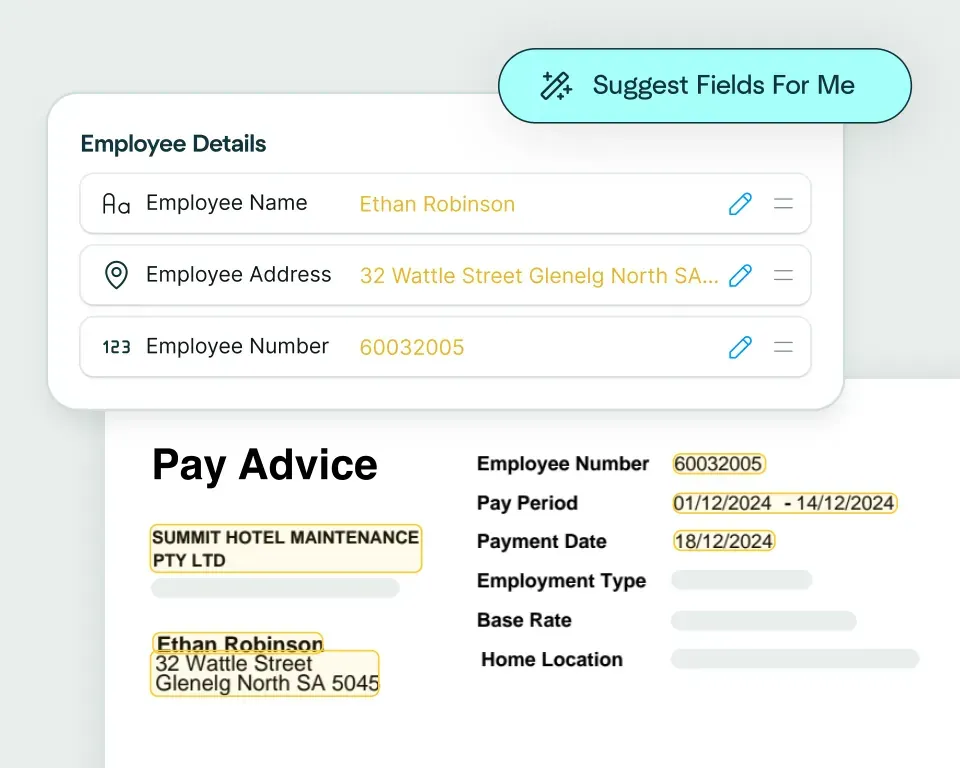
Create models in seconds
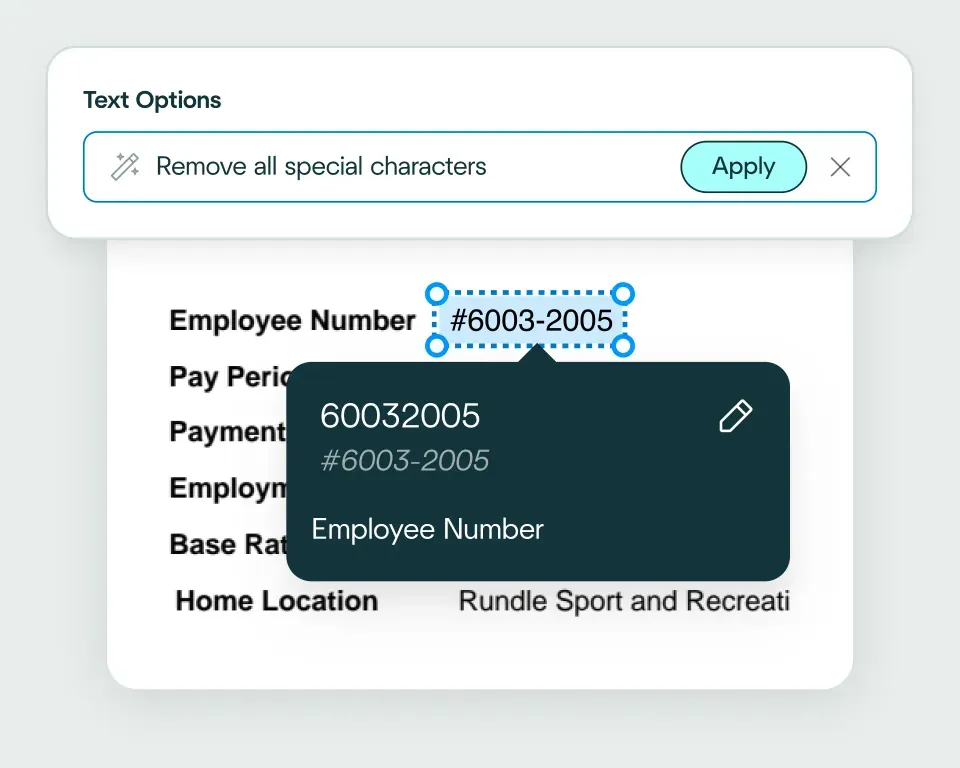
Validate and transform data
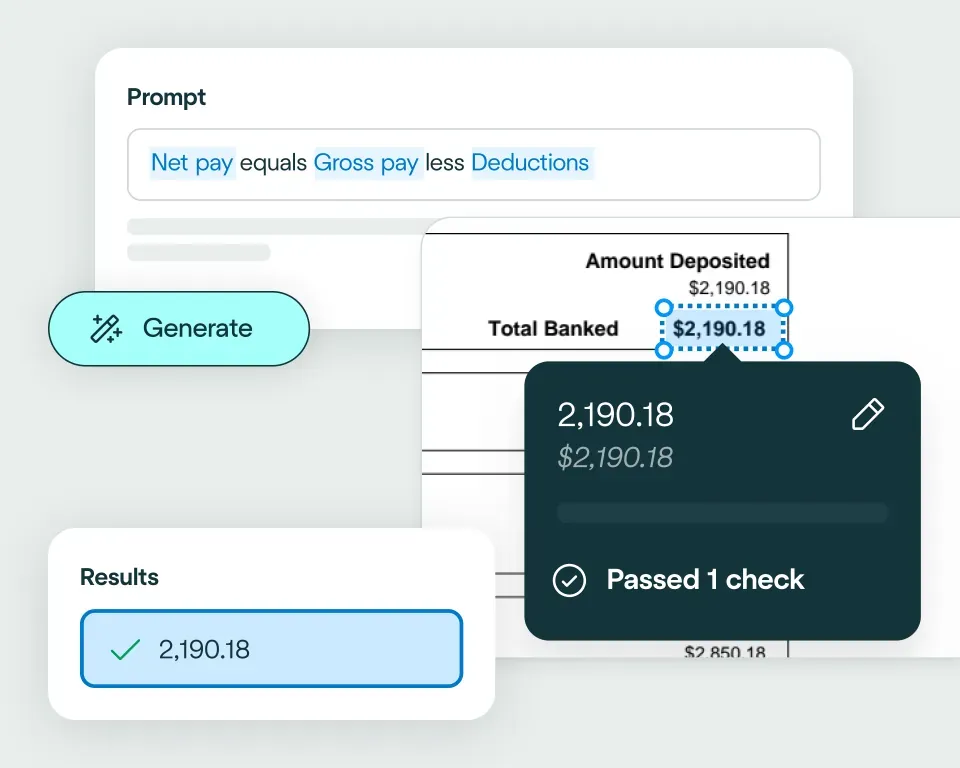
Apply your business logic
Pathway 1: Use the Agent
Pathway 2: Write your own code
What loan processing teams use AI document automation for
Application intake
Income verification
Credit assessment
Collateral review
Settlement processing
Legal documentation
No need to talk to sales. Get started now
Sign up for free
Upload documents
See the magic


reduction in manual work
more invoices processed with no added staff
Enhanced auditability and tracking of invoice approvals


proof of delivery documents processed annually
of documents straight-through processed in the first weeks
Automatic validation of documents against ERP system


High accuracy parsing across multiple languages
Improved customer experience thanks to better structured data
Stronger compliance with international data security and software standards


documents processed annually
different document types
time saved in reviewing invoices


reduction in manual data input
reduction in compliance data errors
compliance documents processed annually

Combine the best of artificial and human intelligence

Frequently asked questions
What is loan processing automation and which document steps can be automated?
Loan processing automation handles the document work around a submitted loan file, including intake, splitting, classification, extraction, completeness checks, validation, exception review and delivery into downstream systems. The Affinda Platform can manage those stages as one workflow, while the broader lending page focuses on application and credit outcomes.
What should an automated loan processing system check after a loan file is submitted?
An automated loan processing system should check that the required documents are present and that borrower details, dates, financial values and supporting evidence are consistent. It can also identify duplicates, missing fields and failed business rules across documents such as loan application forms, bank statements and tax returns before the file reaches credit, settlement or servicing.
How can lenders automate loan applications and supporting document reviews?
Lenders can automate reviews by classifying the submitted files, extracting key fields, checking the results against configured rules and routing only the incomplete or inconsistent records to a person. Clean files can continue through the loan processing workflow, while reviewers see the source document and the reason an exception was raised.
How can loan processing automation identify missing documents, mismatched data or failed business rules?
Loan processing automation can compare the submitted pack with a required-document checklist, validate extracted fields and match data across documents or against trusted reference records. A missing payslip, name mismatch, invalid date or value outside an accepted range can be flagged before the application moves on. Data matching supports these reference and consistency checks.
How can document automation APIs connect validated loan-file data to loan origination and servicing systems?
Document automation APIs can send confirmed loan-file data into loan origination, servicing, CRM, core banking or decisioning systems. Teams can build directly against the API or use the Affinda Agent and integrations to configure exports, with data transformations used to match the fields and format expected downstream.
How is loan document automation different from simple OCR or data extraction?
OCR reads text and data extraction captures selected fields; loan document automation manages the complete operational workflow. It separates and identifies documents, validates the extracted data, keeps source evidence, routes exceptions and sends confirmed information into the next system, reducing the rework left behind by extraction-only tools.