AI document processing for compliance

Describe your exact workflow
Automate compliance workflows end to end
Stop wasting time on manual processing
Accelerate approval timelines
Improve accuracy, eliminate errors
Scale business without stretching teams
Built for compliance and data security
Extract any information from any document, fast
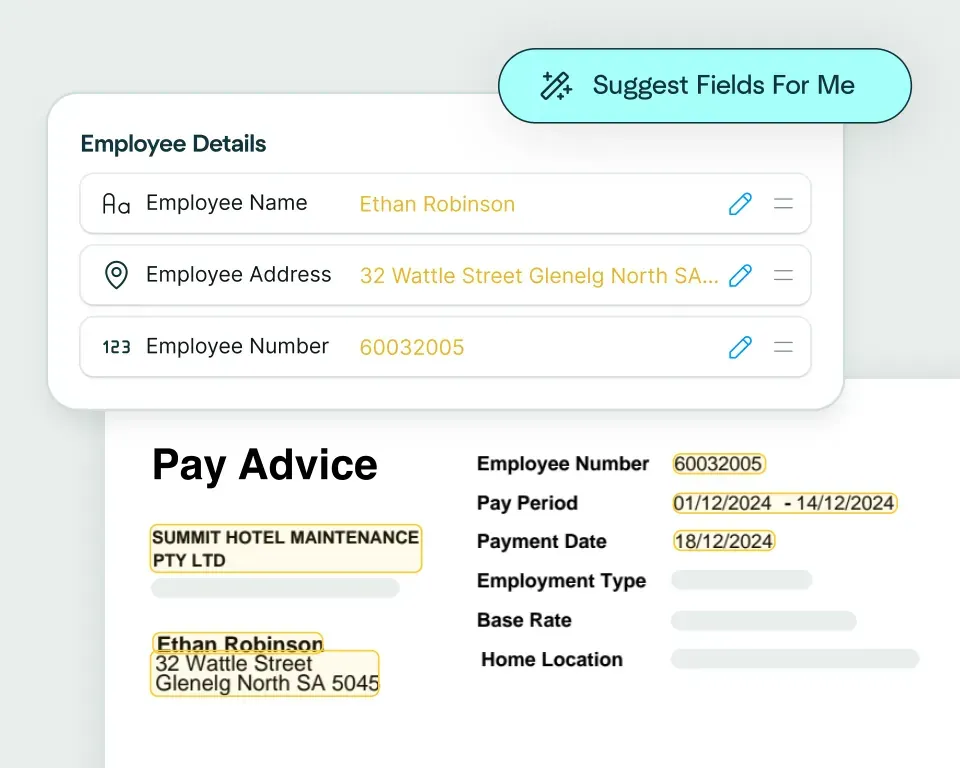
Create models in seconds
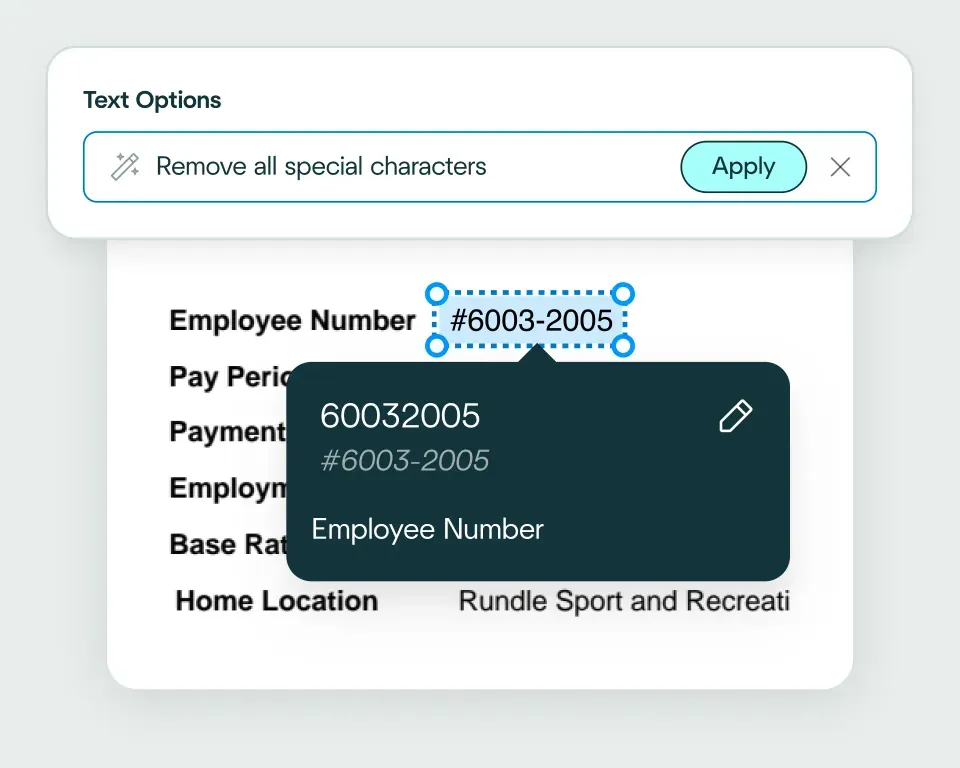
Validate and transform data
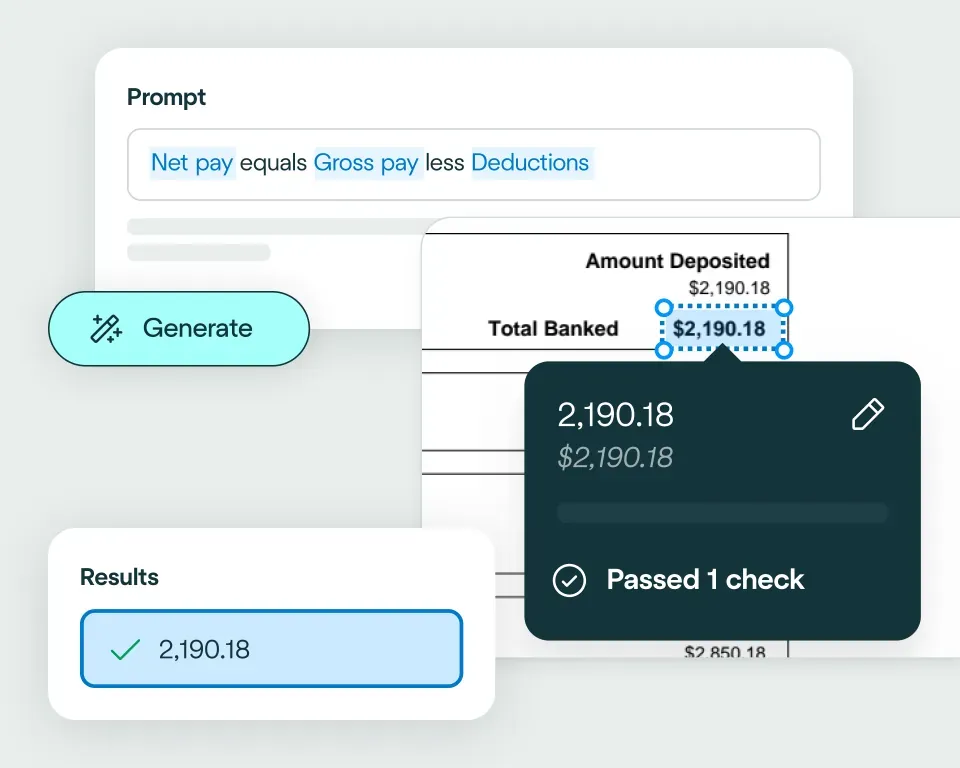
Apply your business logic
Pathway 1: Use the Agent
Pathway 2: Write your own code
What compliance teams use AI document automation for
Regulatory reporting
Policy adherence
Audit readiness
Risk monitoring
AML checks
Document retention
No need to talk to sales. Get started now
Sign up for free
Upload documents
See the magic


reduction in manual work
more invoices processed with no added staff
Enhanced auditability and tracking of invoice approvals


proof of delivery documents processed annually
of documents straight-through processed in the first weeks
Automatic validation of documents against ERP system


High accuracy parsing across multiple languages
Improved customer experience thanks to better structured data
Stronger compliance with international data security and software standards


documents processed annually
different document types
time saved in reviewing invoices


reduction in manual data input
reduction in compliance data errors
compliance documents processed annually

Combine the best of artificial and human intelligence

Frequently asked questions
What is compliance document automation and which workflows does it support?
Compliance document automation turns regulated documents and evidence files into structured, validated data for review, reporting and audit workflows. It can support KYC and AML evidence, policy checks, regulatory records, privacy reviews, vendor documentation and other document-heavy processes without replacing the compliance system or the person responsible for the final decision. Explore the broader compliance use case, which connects closely to customer onboarding and KYC.
What is the difference between compliance management software and compliance document automation?
Compliance management software manages policies, obligations, controls, tasks and reporting across a compliance program. Compliance document automation focuses on the evidence feeding those processes, extracting fields, validating the data, keeping values linked to the source and routing exceptions to the relevant reviewer.
How can compliance automation software support document evidence, validation and reviewer controls?
Compliance automation software can extract information from evidence files, check required fields and business rules, and hold failed records for review. The reviewer should be able to see the source document and why the record was flagged, while clean evidence can continue into the reporting or compliance system. Data matching and straight-through processing support those controls.
How can regulated teams use source-grounded document AI for audit-ready compliance reporting?
Regulated teams can use source-grounded document AI by keeping every extracted value connected to the document evidence it came from. That makes the information easier to verify, explain and audit, particularly when a reviewer needs to confirm why a record passed or failed. Our article on grounding AI for real-world reliability explains why this matters.
When should compliance exceptions be routed for human review instead of straight-through processing?
Compliance exceptions should be routed for human review when required evidence is missing, a configured rule fails, source information is unclear or the record falls into a category that requires approval. Straight-through processing should be reserved for documents that meet the organisation's validation rules, leaving policy-sensitive and higher-risk cases with the appropriate team.
How can regulated teams use document AI without creating a black box?
Regulated teams can avoid a black box by using source evidence, visible validation rules, review queues and an audit trail of corrections and approvals. The Affinda Platform keeps the document, extracted value and exception context together, so users can inspect the workflow rather than being asked to trust an unexplained output. Our guide to different IDP providers includes additional vendor-evaluation considerations.